
Lewis and Clark State Park is situated on one of the upper bays of Lake Sakakawea. The rugged buttes of the North Dakota Badlands display a towering backdrop to one of the state's best recreation areas. The park, of course, is named for the Corps of Discovery explorers, Meriwether Lewis and William Clark. The expedition camped nearby on April 17, 1805, and an interpretive trail marker has been placed within… [View Details]
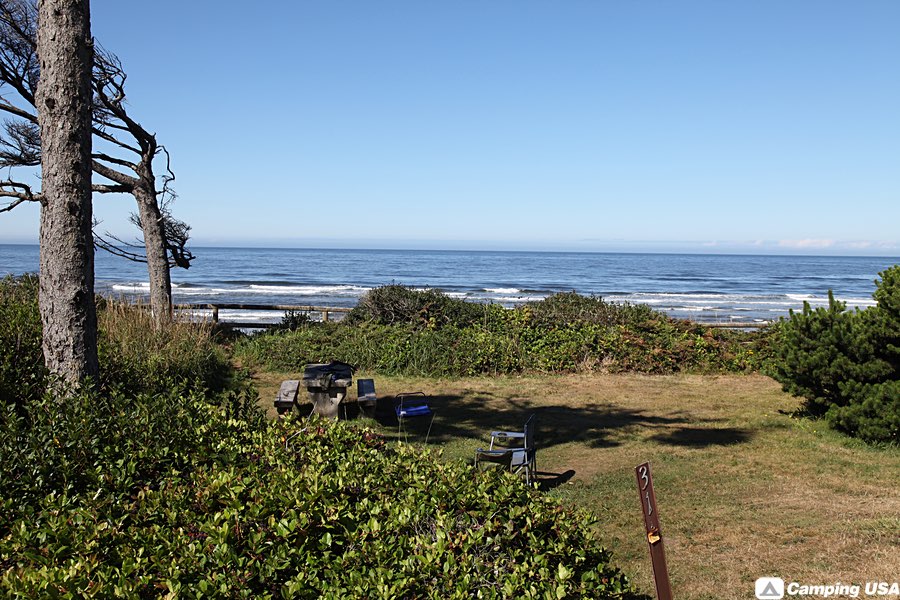
Featured Campgrounds
Lewis & Clark State Park
Oak Mountain State Park
As Alabama's largest park, Oak Mountain provides 9,940 acres of pine-studded ridges and lush green hardwood bottoms. The park offers vacation cottages, golf, pro shop with snack bar, improved camping, picnicking, swimming, boating, fishing, hiking, mountain bike trails, backpacking, a demonstration farm and horseback riding facilities. With the largest area and variety of outdoor recreational pursuits, Oak Mountain is sure to provide excitement for every member of the family! PRIMITIVE… [View Details]
Lake Catherine State Park
Nestled in the natural beauty of the Ouachita Mountains on 1,940-acre Lake Catherine, one of the five popular Diamond Lakes in the Hot Springs area, Lake Catherine State Park features CCC/Rustic Style facilities constructed of native stone and wood by the Civilian Conservation Corps in the 1930s. Situated along the lakeshore are the park's 18 cabins that feature fully-equipped kitchens. Most have wood-burning fireplaces. The park's fully-accessible cabin, the Polly… [View Details]
Camping USA Articles
Top RV Parks Near Medford, Oregon
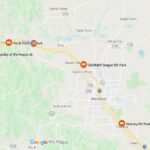
Medford, Oregon is the heart of Southern Oregon's Rogue Valley, an area known for its wineries, orchards, and outdoor recreation opportunities. The following RV parks near Medford, Oregon all have at least ten reviews with a three star or better average at the time this was written. The best reviewed parks are at the top of the list. Top Medford Oregon RV Parks 1. Southern Oregon RV Park Located just… [View Details]
Campers’ guide to Acadia National Park
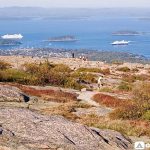
What is now called Acadia NP was founded in 1919 as the first national park east of the Mississippi. Acadia is a rare find for motorized campers in the eastern United States. Of the numerous national parks and monuments, only a few in the East are rural and spacious enough to offer campgrounds for RV or car-campers. In northern, coastal Maine, Acadia is within a day's drive of the huge… [View Details]
Yellowstone National Park Overview
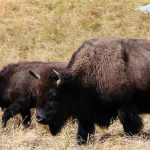
Yellowstone National Park is by far one of the most popular of the parks in the National Park System with 3,600,000 visitors in 2010. The popularity of Yellowstone is the result of a combination of the amazing geology, the highly visible wildlife, and the relatively easy access to all of this. The peak season is from Late June through mid-September when there is a steady stream of loaded vehicles coming… [View Details]